How to Grow and Harvest Your Own Coriander Seeds
Coriander seeds, also known as dhania, are a staple spice in many kitchens and an essential ingredient in pickles, curries, and spice blends. Growing your own coriander for seeds is surprisingly easy and rewarding, especially if you already enjoy growing herbs in your kitchen garden. With the right care, you can enjoy a fresh, aromatic harvest that tastes far superior to store-bought seeds.
This guide will walk you through everything you need to know about growing and harvesting your own coriander seeds successfully.
Understanding Coriander Growth for Seeds
Coriander (Coriandrum sativum) is an annual herb with a fast growth cycle. While many gardeners grow coriander for its leafy greens (cilantro), seed production requires letting the plant mature fully. Once the plant bolts and flowers, it redirects its energy toward seed formation. This natural process is key to harvesting high-quality coriander seeds.
Choosing the Right Location and Soil
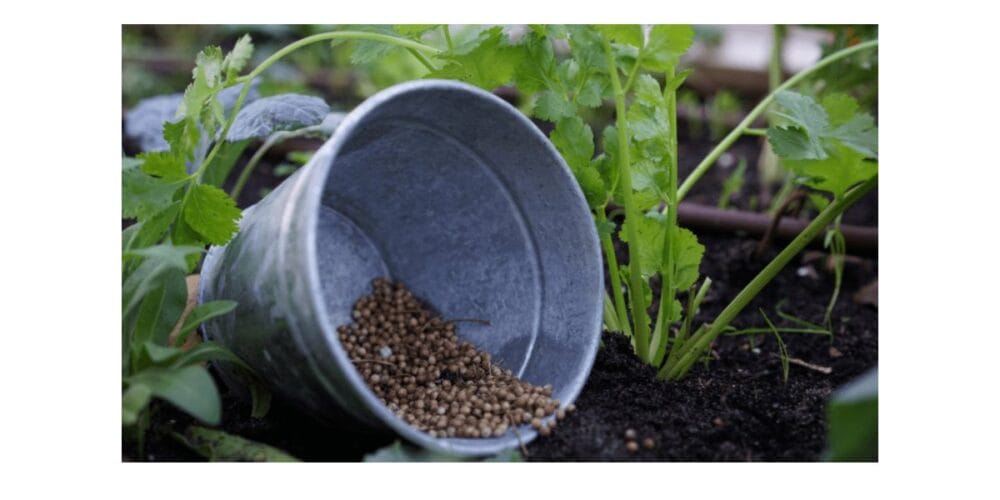
Coriander thrives in full sun to partial shade. For seed production, choose a spot that receives at least 5 to 6 hours of sunlight daily. Well-draining soil is essential, as coriander does not tolerate waterlogging.


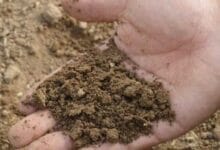
Prepare the soil by loosening it to a depth of 8–10 inches and mixing in well-rotted compost or organic manure. The soil should be light, fertile, and slightly neutral in pH. Raised beds or large containers also work well if drainage is adequate.
Sowing Coriander Seeds
To grow coriander for seeds, sow seeds directly in the garden. Coriander does not transplant well due to its long taproot.
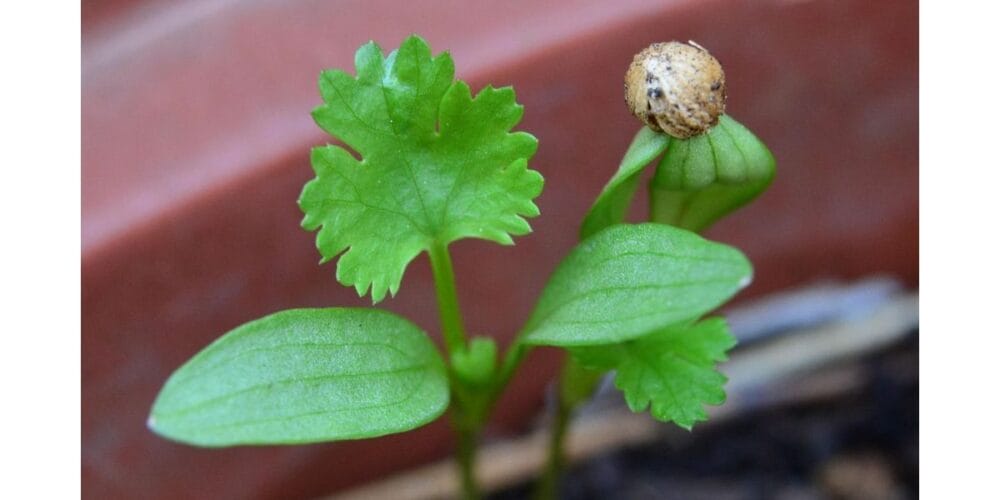
Gently crush the coriander seeds before sowing to split them into halves, which improves germination. Sow seeds about 1/4 inch deep and space them 6–8 inches apart. Water lightly after sowing and keep the soil consistently moist until germination, which usually occurs within 7–10 days.
For continuous seed harvest, you can stagger sowing every two to three weeks.
Also Read: How to Grow Your Own Organic Ginger at Home
Caring for Coriander Plants
Once established, coriander plants require minimal care.
Watering
Water regularly but avoid overwatering. Allow the topsoil to dry slightly between waterings. Consistent moisture helps prevent premature bolting, although bolting is eventually desired for seed production.
Fertilizing
Coriander does not need heavy feeding. A light application of compost or a diluted organic liquid fertilizer once or twice during growth is sufficient. Excess nitrogen can promote leaf growth at the expense of seed formation.
Weed and Pest Control
Keep the area weed-free, especially during early growth. Coriander is generally pest-resistant, but aphids may occasionally appear. A simple spray of neem oil or soapy water can manage infestations organically.
Flowering and Seed Formation
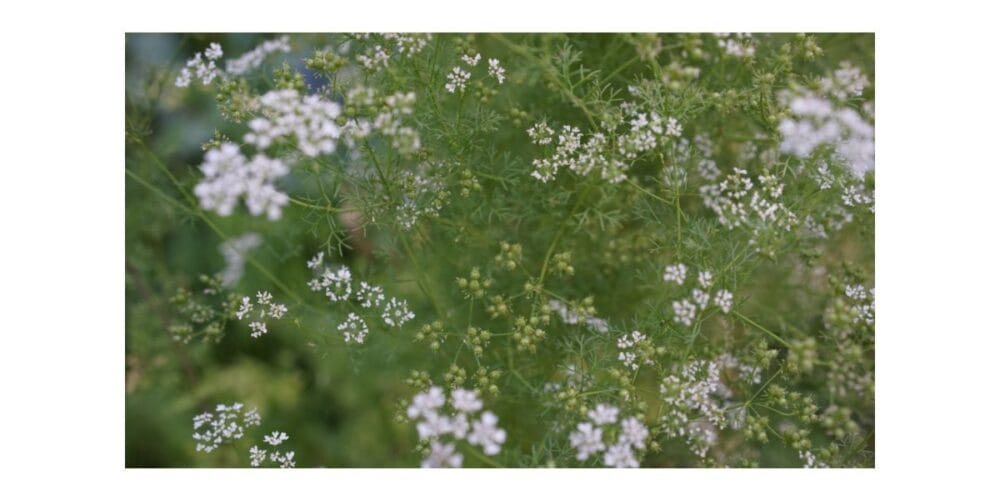
As temperatures rise or the plant matures, coriander will bolt and produce tall flower stalks with small white or pale pink flowers. These flowers attract beneficial insects like bees, which aid pollination.
After flowering, green seed clusters begin to form. Over time, these seeds mature and turn light brown. This stage signals that the plant is nearing harvest readiness.
When to Harvest Coriander Seeds
Timing is crucial when harvesting coriander seeds. Harvest too early, and the seeds may be immature; wait too long, and they may fall off naturally.
Seeds are ready for harvest when:
- They turn from green to light brown
- The seed heads begin to dry
- The plant starts to yellow and die back
Typically, coriander seeds are ready for harvest about 90–120 days after sowing.
Also Read: 3 Easy Steps to Plant Garlic in Your Garden
How to Harvest Coriander Seeds
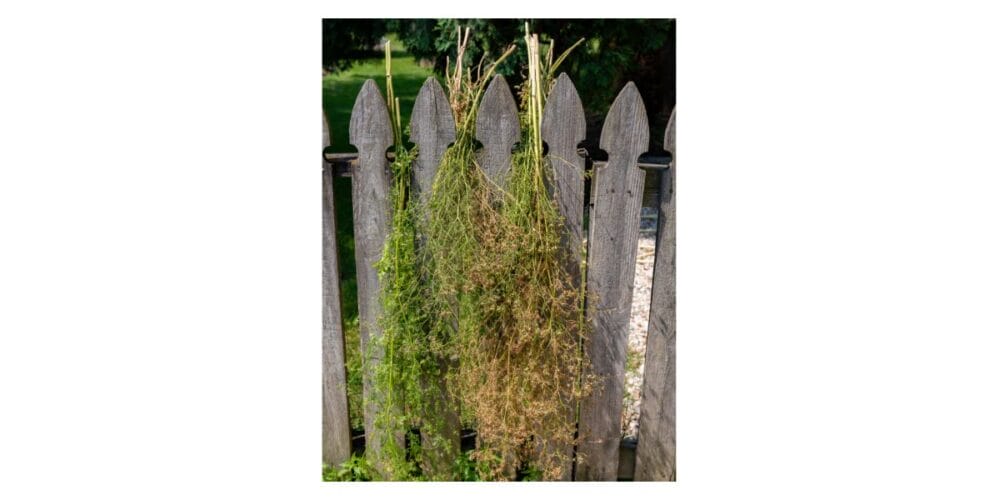
Choose a dry, sunny day for harvesting. Cut the seed heads or entire plant early in the morning to prevent seed loss. Bundle the stems together and hang them upside down in a warm, dry, and well-ventilated area.
Place a cloth or paper bag underneath to catch any falling seeds. After 7–10 days, gently rub the dried seed heads between your hands to release the seeds.
Cleaning and Drying the Seeds
Once collected, remove chaff and debris by winnowing or gently blowing away the lighter material. Spread the seeds on a tray and allow them to air-dry for another few days to ensure all moisture is removed. Proper drying is essential to prevent mold during storage.
Storing Your Coriander Seeds
Store dried coriander seeds in an airtight glass jar or paper envelope. Keep them in a cool, dark, and dry place. Properly stored seeds can retain flavor for up to one year and remain viable for planting for up to two years.
Label your containers with the harvest date to track freshness.
Also Read: How to Grow and Harvest Your Own Organic Rosemary
Benefits of Growing Your Own Coriander Seeds
- Fresher, more aromatic spice for cooking
- Cost-effective and sustainable
- Full control over organic growing practices
- Seeds can be used for cooking or next season’s planting
Final Thoughts
Growing and harvesting your own coriander seeds is a simple and satisfying gardening project, even for beginners. With minimal effort, you can enjoy a homegrown spice that enhances your dishes and supports a more sustainable lifestyle. Whether you use the seeds in your kitchen or save them for future planting, coriander is a valuable addition to any kitchen garden.
Start with a small patch this season, and you’ll soon discover how rewarding it is to grow your own coriander from seed to spice.
Also Read: About How to Grow and Harvest Your Own Coriander Seeds on gardenary.com Site